
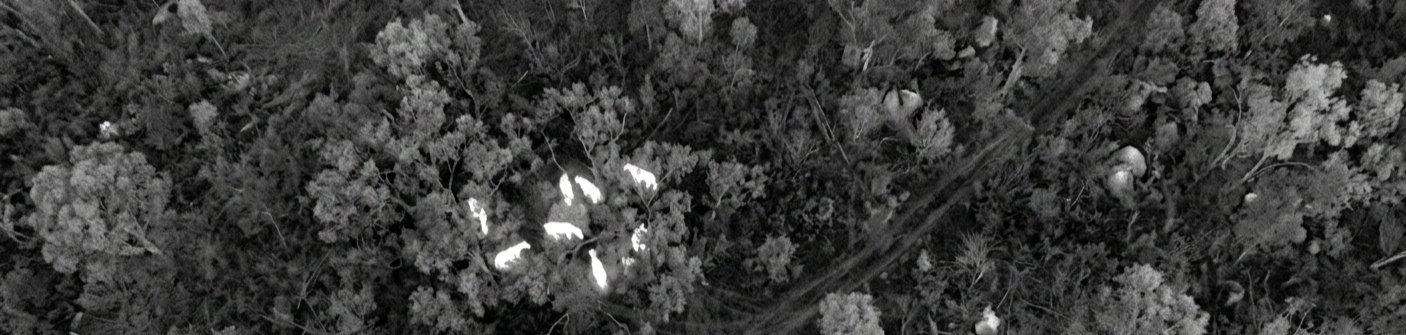
Pet & Livestock Search And Rescue (SAR)
Where we cover:
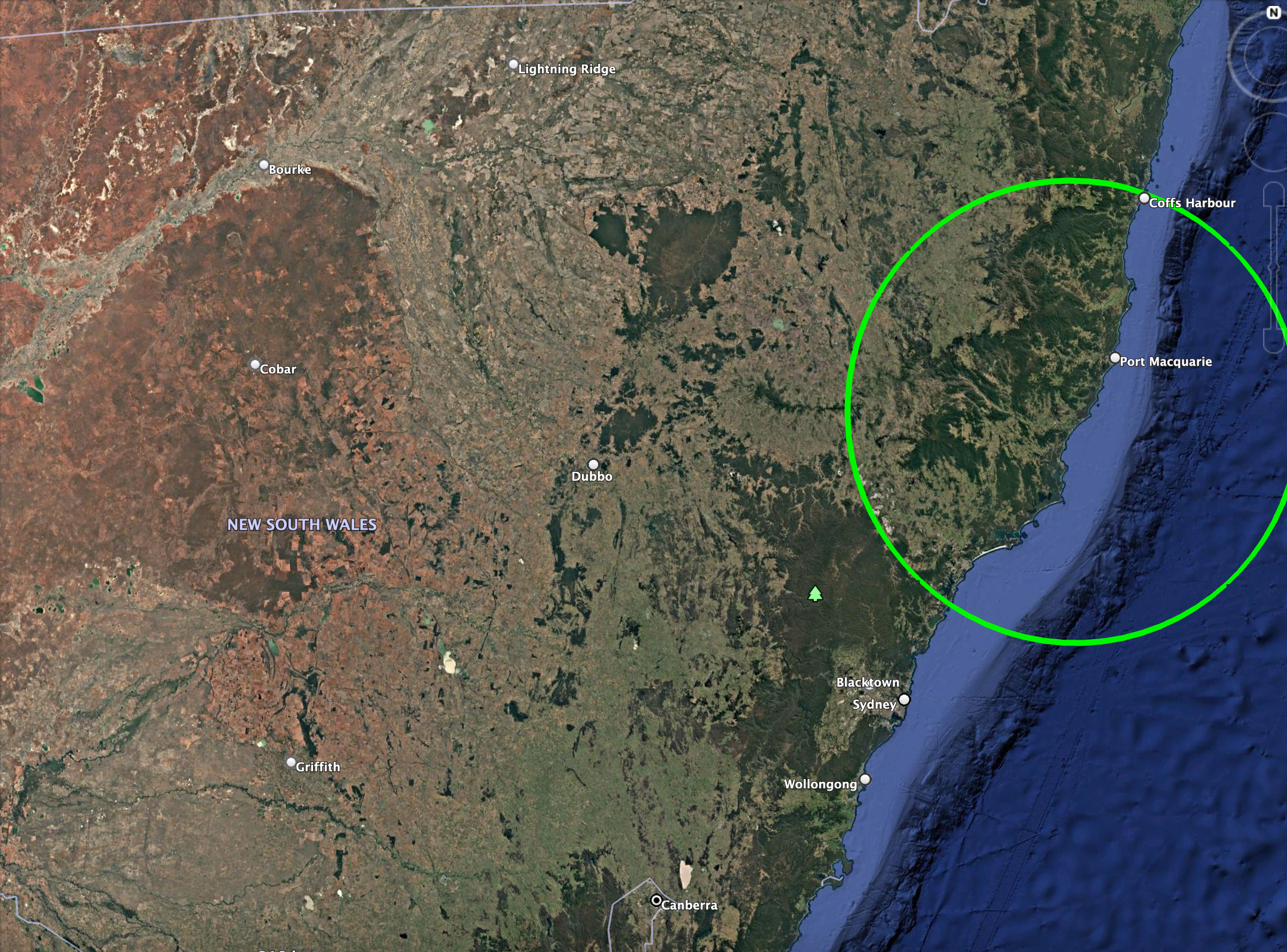
RPAS australia SAR service coverage
Things to try:
Call neighbours and locals
Posters and Social Media “Missing..”
Have you checked perimeter fencing for breaks. This can indicate a direction for focus
Visit their favourite routes and spots, including new or recent adventures.
Ask neighbours if they have baits/traps active and if they could check them.
Have other dogs been in the area they may have gone running with (dingos wild dogs)
Is she on heat or are other local dog on heat
Have you checked water points, hiding spots; sheds, caves, under decks. Thermal cannot see through solid objects
Do they have any injuries/ailments that might have caused them to find shelter
Are they prone to ticks - may be unable to walk.
Do you or your animals have serious tension between neighbours? If so you may never find them
Does it have an AirTag, name/number tag
Have you tried cooking a bbq to attract them
Leave favourite food and bedding out, or post family scented items at different spots/houses - consider the wind direction.
Check the roadsides for possible car accident injuries
Calmly calling out while walking or drive to points - important to perform a 5-10min SLLS (Stop Look Listen Smell) turn the car off. Consider wind direction and if they hear you, how long it would take to get to you - don’t now run away from them.
Is it a high value breed and possibly stolen
Are you able to check camera footage.
Checked for footprints around water points
Print paper maps and record what you have covered
Check vets, council pound (update microchip details) and police (recent cattle rustling activity.)
Personal safety and recovery:
How is your mental and physical fitness for the search and recovery - no benefit creating another emergency.
Snake bite-proof clothing (gaiters) and bite kit
Water for you and animal (drinking container)
Gloves and pliers if tangled in wire etc
Suitable clothing (warm)
Head torch (hands free)
Binoculars
Toilet paper
Medication for you (heart and diabetes)
Walkie talkie if you split up or simply backup to phone
Powerbank recharger
Neighbours contact numbers (help or permission)
Thermal blanket or blanket
Bridal gear ,Collar and lead
Transport: side-by-side, ute, float
Hot-tape temporary fencing (cattle) until transport can be arranged.
Treats / hay
If you find them but can’t move them, you may need to consider camping out.
Bandage, Towel / rag to clean them up - basic casualty care.
How to prepare for a Thermal Drone SAR
Identify on Google Earth or paper maps:
Prioritise search areas - you know your animals habits
Exclusion zones (unfriendly neighbours, towers, wires, eagles & owls)
There are places we simply cannot fly: National Parks, Restricted airspace
Property boundaries marked
First names on properties
Local landmark names (for radio communication referencing:) eg Billys hill, shearers shed, pump dam
We MUST HAVE permission to fly over neighbours property - we will need their contact details. Let us know of any difficult ones also!
Have recovery gear ready (see above), have a friend ready for support.
Have vet info on hand.
Charge phones, head torches, walkie-talkies
Fuel in vehicles / side-by-side
How long does a Search And Rescue usually takes?
SAR operations are contingent upon a combination of factors: size, vegetation, terrain (creeks/valleys), numbers lost (a mob is more obvious than an individual), weather and budget. While the drone can fly fast and cover a large area quickly, it’s a case of ‘eyeballs’ scanning the screen for hotspots so it has to fly slow, typically 4km/hr (2m/s), this is a brisk walking pace but at a height above ground of 30-50m. This means we can see about a swathe of 70-100m wide. But an overlap is required for the return pass so effectively half that.
There are a number of SAR techniques to cover an area, each have pro’s and con’s. Shrinking circles, lawnmower zigzag, lines of least resistance (follow game trails/tracks). All of these can be sectorised subject to search area size. As well as directly flying to investigate frequented known points. The last of these is often the first quick and dirty one to try.
Then there is cost. The largest part of the cost is the ‘mobilisation’. This is the time ($hours) and distance ($vehicle/km) required for us to get organised and to your location - and back. Cost is relative, for a few horses or a mob of cattle with a market value in-excess of $10-40k lost in forest, it is worth searching for a night or so. Two dogs, the bill is split. For a single pet it is a tough call. All animal bills seem expensive, a visit to a Vet for a tick can easily set you back $500, much more if they make a house call on a weekend and some medications.
I’d like to say a only a couple of hours but I can’t. I can say it is like in the ‘kidnapping’ movies, chances drop quickly by the hours (exposure to nature) or through in-action. The tougher question: When do you give up? You need to have a hard dollar figure where you are comfortable saying “enough, we tried”. This needs to be communicated to us early as it will determine the ‘compromises’ that need to be planned for. And ‘in the moment’ when we still have possible areas left to search that’s a difficult decision. So if you say the budget is 3hrs, that’s what we will do. Just bear in mind search methods is a ‘Compromise”, coverage vs thoroughness.
As brutal as it is, I hope that helps.
Regards
Troy